
The Wrong Suitcase

Before our family trip to Spain this summer, we spent some time in Tennessee visiting with family from Pittsburgh. Dollywood did not disappoint! To catch our flight to Europe, we took a small connecting flight from Knoxville to Atlanta, and the small plane meant gate-checking our bags.
Right before boarding the overnight flight to Barcelona, I opened my suitcase to grab a couple of things for the trip. Out came... women’s clothing and someone else’s prescription medication. A few hours earlier, we had been the last people off the plane from Knoxville, and by the time we picked up our gate-checked bags, someone had already grabbed mine and left behind its identical twin.
Thanks to a proactive gate agent, we were able to track my suitcase, which was on its way to Raleigh, North Carolina. Fortunately, my bag and I were reunited a couple of days later in Barcelona. In the meantime, I had to buy clothes and toiletries. I ended up at Zara, , and my family and the friends we were traveling with dubbed me "Euro Patrick."
Lesson learned: put a distinctive bag tag on all of your luggage (even if you’re not checking it) so it doesn't get mixed up!
I know this is a bit of a stretch, but humor me on the market metaphor. Two market periods can look identical on the outside and be vastly different on the inside. That's how I've been thinking about the question I keep hearing: Are we in a bubble? Is this the dot-com era all over again?
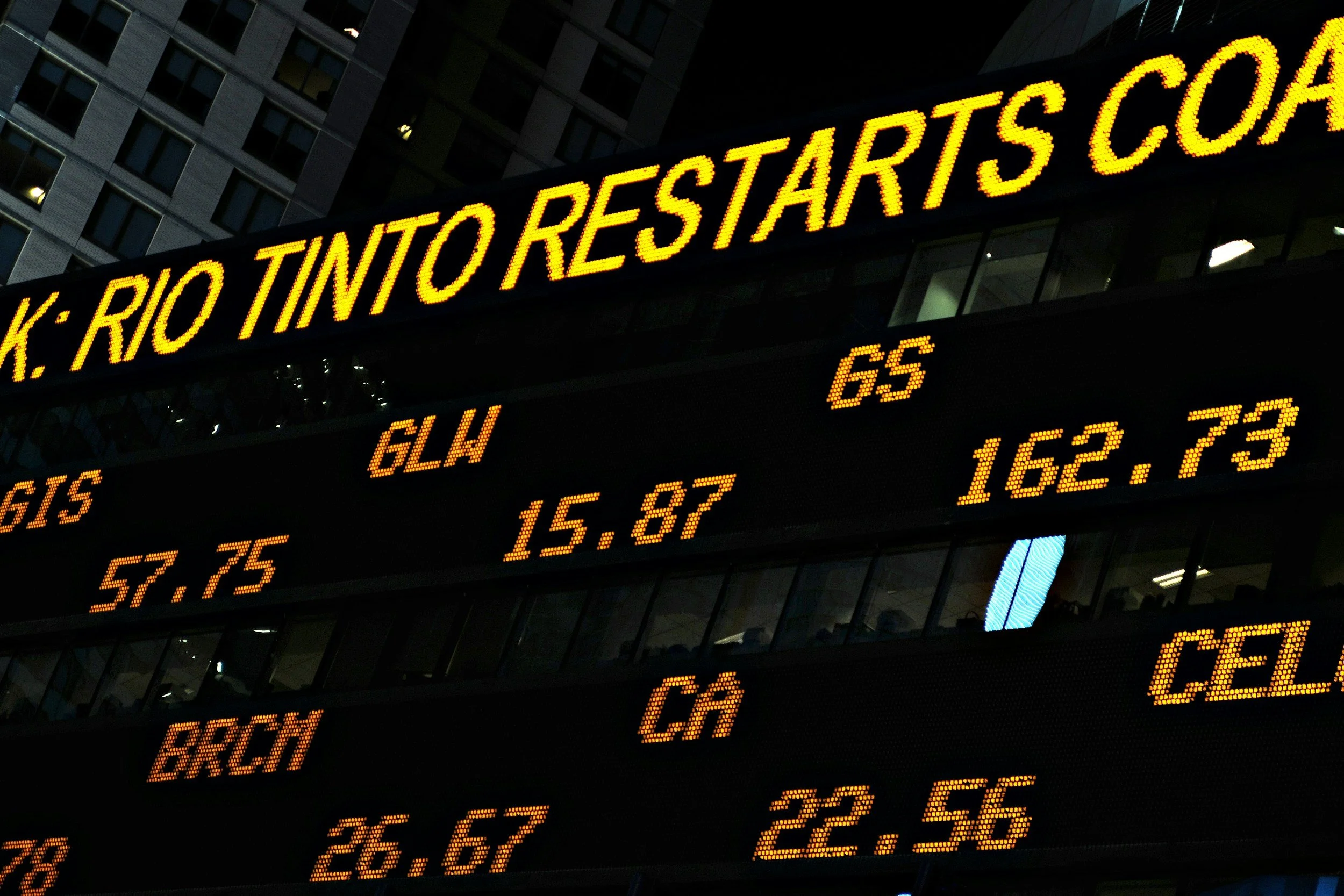
For those who may not remember, the dot-com bubble was a period of market euphoria around the mass adoption of the internet, followed by a brutal downturn in which tech stocks lost nearly 80% of their value.
So is AI just a repackaged version of the '90s internet mania? Let's unpack both suitcases.
Tech stocks have soared over the past few years, just like they did in the dot-com era. Everyone is talking about a technology that will "change everything" and usher in the fourth industrial revolution.
In early 2000, I was a senior in high school. After reading some Peter Lynch and The Wealthy Barber, I had just bought a tech mutual fund and shares of Nokia and Ericsson on Scottrade.com. I guess I was already becoming a finance nerd! I noticed that everyone was getting a cell phone, so how could these companies not skyrocket in value?
I had a couple thousand dollars to my name and was about to learn a valuable lesson: you can nail the trend and still lose money. Valuations matter, especially when you're buying individual stocks.
So are the contents of today's suitcase the same as the '90s version? There are some similarities, but here are a few of the main differences.
The companies leading the AI revolution are massively profitable, with enormous revenue. Many dot-com-era stocks were purely speculative, with valuations based on clicks and "eyeballs" rather than profits.
Valuations today are also much more reasonable than they were back then, although they're still above their historical average. That said, there are some concerns. The biggest companies are now borrowing hundreds of billions of dollars to build the infrastructure that powers artificial intelligence.
So here's my take: same suitcase, mostly different contents. In the dot-com era, the risk was that many companies had no real business at all, and when reality landed, their stocks went to zero. Today, the technology and the profits are real.
The risk is that investors may be paying too much for them. That's a very different problem. Overpaying for a great company usually means more modest returns for a while, not a total loss.

There are a couple of repeatable patterns in boom and bust cycles.. First, booms tend to overbuild. When a new technology arrives, money floods in and companies race to build capacity, whether that's railroad tracks, fiber-optic cable or, today, data centers.
To be fair, AI capacity is being snapped up as fast as it can be built right now. That was also true of fiber in the late '90s, until the music stopped.
The real test is whether paying customers keep growing fast enough to justify all that spending.
Second, the bubbles that do the most damage are the ones fueled mostly by debt (1929 market crash, Japan in the 80’s, 2008 financial crisis), not just enthusiasm.
Nobody truly knows where we are in the cycle. The potential over investing could be corrected next year or five years from now, and the market could climb a lot higher before it does. Trying to time the market never makes sense. A diversified portfolio that can ride out a correction or bear market is a much better plan than trying to guess when it will come.
What's in Your Suitcase?
If you own a typical index fund that tracks the S&P 500, you probably think your money is spread across 500 companies. Open the suitcase and you'll find that about 37 cents of every dollar sits in just 10 stocks.
Nvidia alone is nearly 8%. That's not necessarily bad, since those companies have earned their size. It means a "diversified" index fund is now a much bigger bet on technology than most investors realize.

At Impact Fiduciary, we pack our suitcase a little differently. Last December, I wrote that roughly 11% of our stock exposure was tied directly to AI, far less than a typical S&P 500 fund.
We invest in sustainable index funds that hold roughly 2,000 companies around the world and leave the fossil fuel companies, among others, behind. We still own many of the companies driving the AI boom, but as part of a much broader mix.
Through our investment partners like Calvert, we use shareholder engagement to push big tech companies toward more responsible AI development.
This is why we buy the whole haystack, and not just the American haystack. International stocks spent years as the overlooked option, then in 2025 developed international markets returned more than 31% while the S&P 500 gained about 17%. We complement this with healthy exposure to small and mid-sized companies as well as alternative investments.
Nobody knows which part of the market will lead next. That's exactly the point. A suitcase packed with a little bit of everything means you're ready for wherever the trip takes you. Just don’t forget the bag tags!
Disclaimer: This article is provided for general information and illustration purposes only. Nothing contained in the material constitutes tax advice, a recommendation for purchase or sale of any security, or investment advisory services. I encourage you to consult a financial planner, accountant, and/or legal counsel for advice specific to your situation. Reproduction of this material is prohibited without written permission from Patrick Dinan, and all rights are reserved.