
Is AI Overhyped, or Just Getting Started?

Is AI just a bunch of hype, or are we all about to be out of jobs? Lately, headlines have been full of warnings about AI disrupting white-collar work across the board. Is that really true?
Is the media ratcheting up the fear in order to grab our attention? Are tech companies overpromising on the potential of AI in order to boost their stock valuations?
My view is that it is entirely possible we are in the early stages of the “Hype Cycle”. When it comes to new technology, the hype cycle, created in 1995 by Jackie Fenner of Gartner Research, may follow the five stages listed below:
The Five Phases of the Hype Cycle
Innovation Trigger – A breakthrough or proof of concept sparks excitement, with media attention outpacing real adoption.
Peak of Inflated Expectations – Investors and the public imagine world-changing possibilities, valuations soar, and capital floods in.
Trough of Disillusionment – Expectations crash as technologies fall short, weak players fail, and skepticism rises.
Slope of Enlightenment – Survivors refine products, adoption grows steadily, and focus shifts back to fundamentals.
Plateau of Productivity – The technology becomes mainstream, with sustainable growth and broad industry use.
As always, predicting the future is tough and it is difficult to know if the “Hype Cycle” paradigm even applies to artificial intelligence.
However, if history is any kind of useful guide, major technological shifts tend to create new kinds of jobs and ultimately benefit most people. Right now, AI is helping businesses become more efficient.
In the near term, over the next few years, I believe it will mostly serve to augment our abilities and boost productivity, especially when it comes to boring, repetitive, and rules based tasks.
What are the ethical considerations of AI? There are some very real concerns. One major issue is the massive amount of energy required to power and train large language models, which raises questions about their environmental impact.
Another concern is the potential for bias, as these systems often reflect the data they are trained on, which can reinforce existing biases.
There is also the risk of AI being used to enable surveillance, suppress dissent, commit major fraud, or spread misinformation on a massive scale.
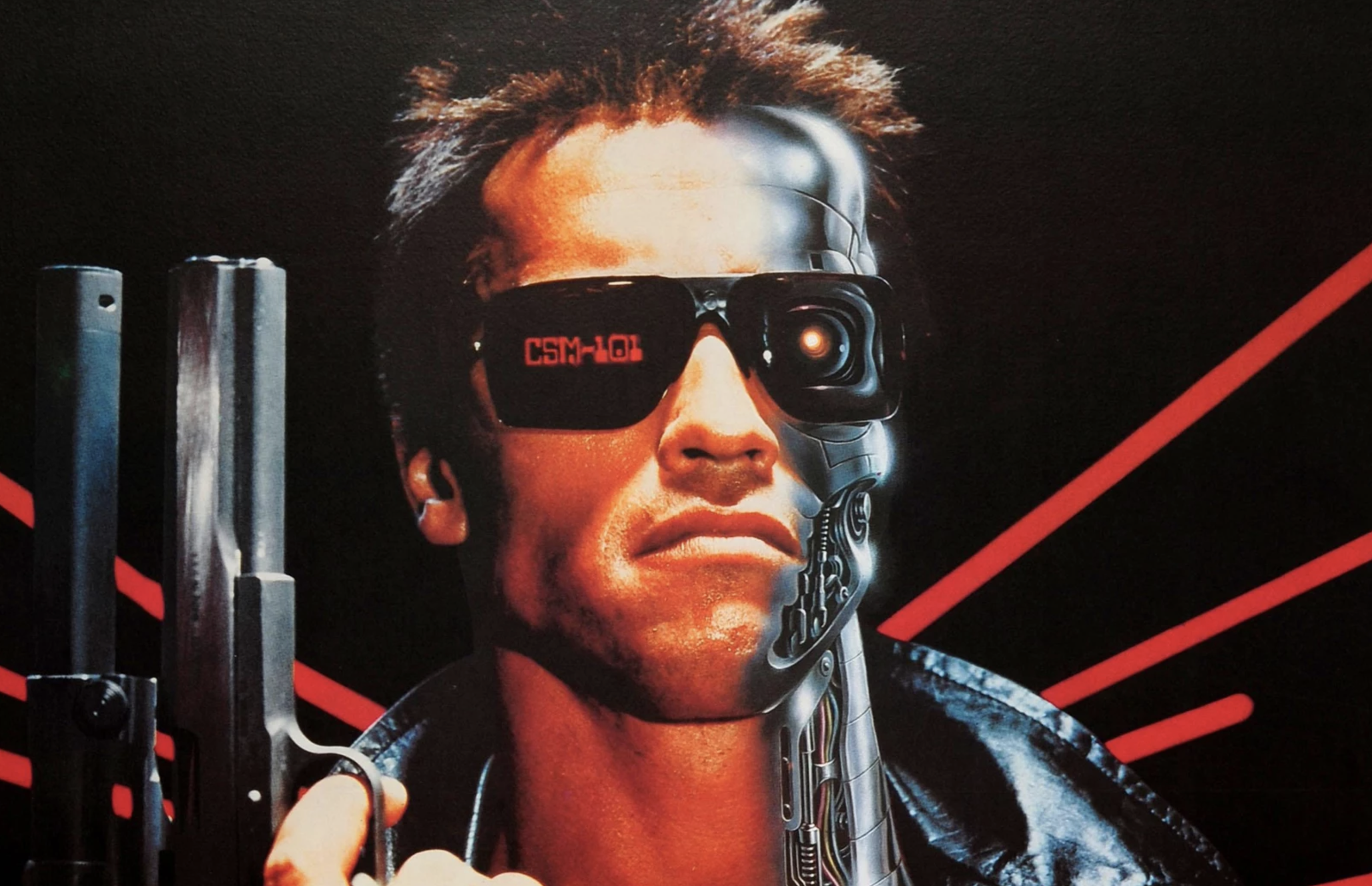
And of course, the most extreme and hopefully least likely scenario is the creation of a malevolent Skynet style AI (remember Terminator?) that poses an existential threat to humanity.
However, my view is that despite the potential downsides, the promise of AI is enormous. It is already helping to address some of humanity’s biggest challenges. We are seeing major advances in areas like driverless cars, which could save tens of thousands of lives each year in the United States and around the world, while also opening the door to wider use of electric vehicles and a cleaner, more sustainable future.
In medical research, AI has delivered impressive results by analyzing billions of molecular combinations, cutting the drug discovery process from years to just months, and enabling new ways to detect diseases at earlier stages, when they are far less lethal.

Fusion, the holy grail of clean energy, has been under active research for the past 70 years. If scientists can successfully harness it, fusion could provide virtually unlimited clean energy on demand.
Thanks to advances in AI, particularly work by Google’s DeepMind, it is now being demonstrated as a potentially viable energy source.
Record amounts of capital have flowed to startup companies in the fusion space. There is an old joke in the energy world that fusion is always ten years away. But with recent breakthroughs, that may no longer be the case.
The reason I bring all of this up is to highlight the often overlooked but genuinely positive applications of AI. These stories tend to get buried because the media’s goal is to grab your attention, and nothing drives clicks like fear.
Does Impact Fiduciary have exposure to AI? Yes, though our approach is never about chasing fads. We follow a thoughtful, evidence-based strategy that includes deliberate exposure to companies developing and deploying artificial intelligence. This gives our clients broad access to both established leaders and emerging innovators in the AI space.
We view AI as a long-term trend, not a short-term play. That said, it is entirely possible we are in a bubble, and the hype may not fully materialize. This is why we emphasize diversification across sectors and asset classes, and why we regularly rebalance portfolios to take gains off the table in a disciplined way.
One of my favorite reminders, both in life and in investing, is to focus on what you can control. The truth is, no one really knows where this whole AI movement is headed. In my view, it will take at least five to ten years before we see any kind of major social disruption.
Change takes time because people do not shift their habits overnight. We saw this with the rise of the internet. When email and online shopping started gaining traction in the 1990s, not everyone jumped on board right away.

Almost everything that was promised during the dot-com boom of the late 1990s eventually came true, though not until the 2010s. In fact, you could argue that the impact of the internet has gone even further than the most optimistic predictions of that era.
What is the best way to protect yourself from AI disruption? Leaning into what makes us uniquely human such as creativity, empathy, and relationships in your field of work is a good place to start.
While shifting into a career less vulnerable to automation isn’t realistic for most people reading this, one of the most effective strategies is to aggressively save and invest in the capital markets.
If AI really does transform industries the way many expect, those gains will show up in market returns. And as always, the higher your savings rate, the more flexibility and freedom you’ll have if the economy takes an unexpected turn.
You are probably wondering if I used AI to write this article, and the answer is of course yes. I still go through the process of writing it myself, but I use AI to help proofread, tighten the language, and improve sentence structure. So in a way, this article is proof that I am using AI to augment my work, not replace it.
Change is constant, but you do not have to navigate it alone. We're grateful to support you through every stage of your financial journey and excited about the opportunities ahead.
Let’s Talk! Schedule a Complimentary Discovery Call
Disclaimer: This article is provided for general information and illustration purposes only. Nothing contained in the material constitutes tax advice, a recommendation for purchase or sale of any security, or investment advisory services. I encourage you to consult a financial planner, accountant, and/or legal counsel for advice specific to your situation. Reproduction of this material is prohibited without written permission from Patrick Dinan, and all rights are reserved.